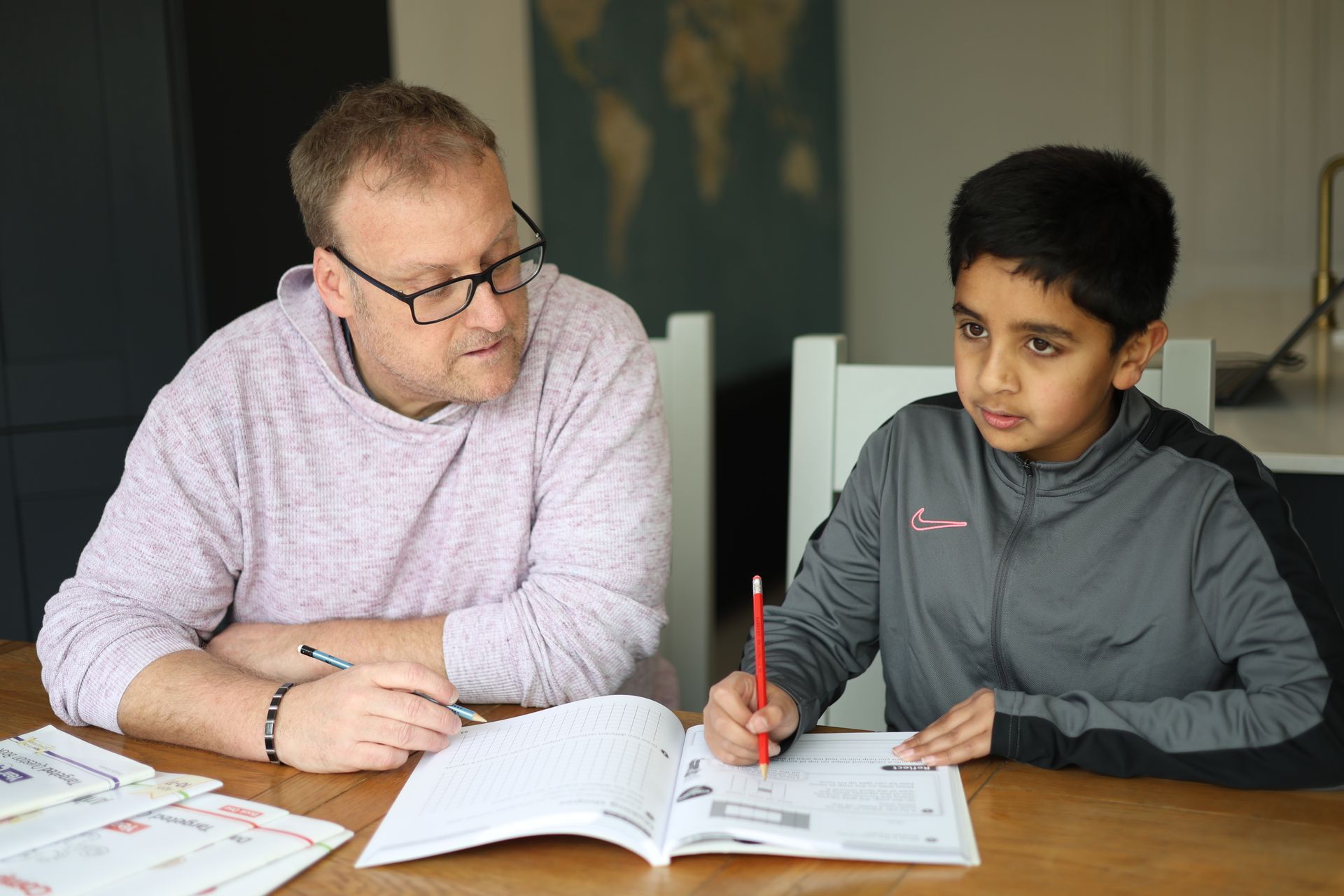
KS2 SATs Explained for Parents (Without the Stress)
If your child is in Year 6, chances are you’ve heard a lot about SATs already — and not all of it reassuring. For many parents, the topic can feel confusing, overwhelming, or even worrying.
This SATs parent guide is designed to clearly explain KS2 SATs, what they involve, why they matter (and why they don’t need to be scary), and how you can best support your child without adding pressure.
Let’s break it down — calmly and simply.
What Are KS2 SATs?
KS2 SATs (Key Stage 2 Standard Assessment Tests) are national assessments taken by children in Year 6 (usually aged 10–11) in England.
They are designed to measure how well pupils have understood the primary school curriculum by the end of Key Stage 2 — before they move on to secondary school.
When people talk about “Year 6 SATs”, they are referring to these tests.
Which Subjects Are Tested?
KS2 SATs assess three main areas:
📘 English
- Reading – one reading paper based on comprehension
- Grammar, Punctuation & Spelling (SPaG)
- Grammar & punctuation paper
- Spelling test (20 words)
🔢 Maths
- Paper 1: Arithmetic
- Paper 2: Reasoning
- Paper 3: Reasoning
There is no science test for most children (science is assessed via teacher judgement only).
When Do KS2 SATs Take Place?
KS2 SATs usually take place in May, over four days:
- Monday: Grammar, Punctuation & Spelling
- Tuesday: Reading
- Wednesday: Maths (Arithmetic + Reasoning)
- Thursday: Maths (Reasoning)
Schools manage the timetable, breaks, and pacing to support pupils as much as possible.
Why Do KS2 SATs Matter?
This is often where stress creeps in — so it’s important to be clear.
KS2 SATs are:
✔️ Used to assess
school performance
✔️ Used to help
secondary schools understand a child’s academic starting point
✔️ One part of a wider picture of your child’s learning
KS2 SATs are NOT:
❌ A pass-or-fail exam
❌ A measure of your child’s intelligence
❌ A label that defines their future
Teachers also use teacher assessments, classroom work, and professional judgement alongside SATs results.
What Scores Will My Child Receive?
Your child will receive:
- A scaled score (with 100 being the expected standard)
- A teacher assessment (working towards / expected / greater depth)
These results help secondary schools plan support — not judge your child.
How Can Parents Support Without Adding Pressure?
One of the most powerful things you can do is reduce anxiety.
Here are some simple, effective ways to help:
✅ Focus on routine, not revision overload
Short, consistent practice is far more effective than long, stressful sessions.
✅ Keep perspective
Remind your child that SATs are just a snapshot — not a verdict.
✅ Praise effort, not results
Confidence plays a huge role in performance.
✅ Encourage questions
If your child doesn’t understand something, that’s a learning opportunity — not a failure.
When Extra Support Can Make a Big Difference
Some children benefit hugely from targeted KS2 support, especially if they:
- Feel anxious about tests
- Struggle with maths confidence or reading comprehension
- Have gaps in learning from earlier years
- Need a calm, confidence-building approach
A specialist KS2 tutor can help children:
- Understand how to approach SATs questions
- Build confidence through structured practice
- Reduce stress by making learning feel manageable again
Final Thoughts for Parents
If there’s one thing to remember from this KS2 SATs explained guide, it’s this: SATs measure learning — not worth.
With the right support, encouragement, and reassurance, most children cope far better than we expect.
If you’d like guidance tailored to your child, or calm, supportive KS2 tutoring in preparation for Year 6 SATs, Empower Tutoring is here to help.
Need support with KS2 assessments?
Visit
www.empowertutoring.co.uk to find out how we support children with confidence-building, stress-free learning.