How to Help Your Child Stay Calm and Confident During SATs Week
If your child is approaching KS2 SATs week, it’s completely normal for emotions to run high — not just for children, but for parents too.
Even when schools do their best to keep things calm, many Year 6 pupils still feel pressure around tests. Some worry about getting things wrong. Others become anxious because they can sense the adults around them are worried too. And sometimes, even very capable children can lose confidence simply because SATs feel like a “big deal”.
The good news is that there is a lot parents can do to make the week feel more manageable.
If you’re wondering how to help your child during KS2 SATs, this guide will walk you through some simple, practical ways to reduce stress, build confidence, and support your child emotionally throughout the week.
Remember: SATs Are Only One Part of the Picture
Before anything else, it helps to keep one key message at the centre of the week:
SATs do matter, but they do not define your child.
They are simply a snapshot of how your child is performing at one moment in time. They do not measure kindness, creativity, resilience, humour, curiosity, or potential. And they certainly do not determine a child’s future.
Children often cope better when they know the adults around them believe this too.
1. Keep Home Calm and Predictable
One of the best SATs week tips for parents is surprisingly simple: keep life as steady and calm as possible.
Children feel safer when routines are familiar. During SATs week, try not to overload the schedule with extra revision, late nights, or pressure-filled conversations. A calm home environment can do far more for confidence than one last worksheet.
Helpful things to aim for:
- regular bedtimes
- a calm morning routine
- time to unwind after school
- limited pressure around homework or revision
- reassurance that effort matters more than perfection
Even small things — like laying out uniform the night before or keeping mornings unhurried — can make a big difference to how a child starts the day.
2. Prioritise Sleep More Than Last-Minute Revision
When children are tired, everything feels harder. Concentration dips, emotions feel bigger, and even questions they normally manage well can suddenly feel overwhelming.
That’s why sleep is often more valuable than squeezing in one more revision session.
In the days leading up to SATs, try to:
- stick to a consistent bedtime
- reduce screen time before sleep
- keep evenings calm and low-stimulation
- avoid talking about tests late at night
If your child struggles to switch off, a warm bath, quiet reading time, or simply chatting about their day can help them settle.
A well-rested child is usually a more confident child.
3. Don’t Underestimate the Power of Breakfast
It sounds obvious, but breakfast really matters during SATs week.
Children do not need a “perfect” breakfast — they just need something filling and familiar that helps them feel settled and ready. For some children that might be toast, cereal, porridge, yoghurt, fruit, or eggs. The key is keeping it simple and not introducing anything unusual on test mornings.
If your child is too nervous to eat much, that’s okay too. A banana, a slice of toast, or even a small yoghurt is better than nothing.
What matters most is avoiding a rushed, tense start to the day.
4. Focus on Reassurance, Not Pressure
Many children worry that SATs are a test they can somehow “fail”. They may fear disappointing their teacher, their parents, or themselves.
This is why the language we use matters so much.
Try to keep repeating reassuring messages such as:
- “Just do your best.”
- “You do not need to be perfect.”
- “These tests are only one small part of school.”
- “I’m proud of how hard you’ve worked.”
- “Your job is just to try.”
These kinds of phrases help children feel safe. They shift the focus away from performance and towards effort, which is where confidence grows.
5. What Not to Say Before a Test
When children are anxious, even well-meaning comments can accidentally add pressure.
Try to avoid saying things like:
- “You must concentrate.”
- “Don’t make silly mistakes.”
- “This is really important.”
- “You need to get a good score.”
- “Just think how disappointed you’ll be if you rush.”
These phrases may be intended as encouragement, but they often make children more self-conscious and tense.
Instead, try:
- “Take your time.”
- “Read each question carefully.”
- “If one feels tricky, just move on and come back.”
- “You know more than you think.”
- “One paper does not define you.”
Children perform best when they feel calm enough to think clearly.
6. Confidence Matters as Much as Revision
By SATs week, most of the preparation has already been done. At that point, confidence often matters just as much as knowledge.
A child who walks into school feeling calm, capable, and supported is far more likely to access what they know. But a child who feels panicked or defeated may struggle to show their true ability — even if they revised well.
This is especially true for children who are prone to Year 6 SATs stress. Anxiety can make minds go blank, make questions seem harder than they are, and lead children to doubt answers they would normally trust.
Confidence does not mean feeling zero nerves. It means believing, “I can cope with this.”
That belief is powerful.
7. If a Paper Goes Badly, Don’t Panic
One of the hardest parts of SATs week is when a child comes out of school saying:
- “I think I messed it up.”
- “That was awful.”
- “I got loads wrong.”
- “I’m going to fail.”
This is very common. Children are not always accurate judges of how a paper went, especially when emotions are running high.
If your child says they had a bad paper, try to:
- stay calm
- listen first
- avoid immediately analysing the paper
- reassure them that one test does not decide everything
- shift the focus gently towards the next day
You might say:
- “I’m sorry it felt tough.”
- “Lots of children feel like that after a test.”
- “It’s done now, and you can leave that paper behind.”
- “Let’s focus on getting some rest for tomorrow.”
Try not to go over every question in detail unless your child really wants to. For many children, post-test analysis simply keeps the stress going.
Sometimes the kindest thing to do is draw a line under it and move on.
8. Plan Something Positive After School
SATs week should not feel like a week-long build-up of tension. Children need moments of relief too.
After each school day, try to make space for something ordinary and enjoyable:
- a walk
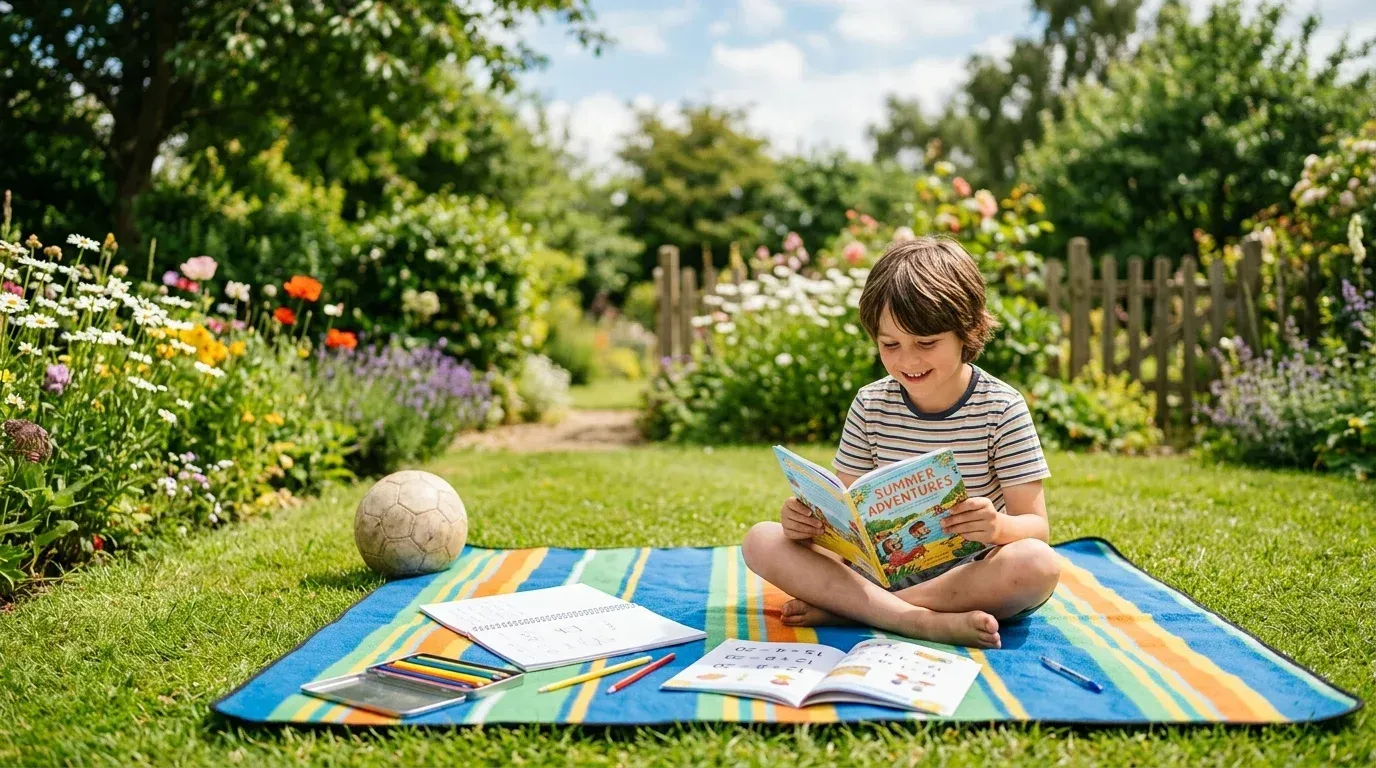
- time in the garden
- a favourite dinner
- football at the park
- a board game
- a film night
- an early bedtime with a story
These things remind children that life is still normal, safe, and bigger than tests.
You do not need grand rewards. Just something that helps your child feel relaxed and emotionally reset.
9. Praise Effort, Resilience and Attitude
During SATs week, try to praise the things your child can control:
- showing up
- trying their best
- staying calm
- using the strategies they’ve been taught
- getting through a tricky paper
- bouncing back for the next one
For example:
- “I’m proud of how calmly you handled today.”
- “You kept going even though it felt difficult.”
- “You showed real resilience.”
- “That took courage.”
This kind of praise builds emotional strength and helps children see success in a healthier way than just marks or scores.
10. Your Calm Helps Their Calm
Children are incredibly tuned in to adult emotion. Even if we say all the right things, they often notice our tone, facial expressions, and stress levels.
That does not mean you have to be perfectly relaxed. Most parents worry a little. But it does help to be aware of the atmosphere you are creating around the week.
If possible:
- avoid discussing your own worries in front of your child
- avoid comparing them to siblings or classmates
- avoid speaking about SATs as though everything depends on them
The calmer you appear, the safer your child is likely to feel.
Final Thoughts
If you are looking for SATs week tips for parents, the most important thing to remember is this:
Your child needs calm, confidence, and reassurance more than they need pressure.
By the time SATs arrive, revision can only do so much. What really helps children perform at their best is feeling rested, supported, and secure enough to trust what they know.
So keep routines steady. Keep your words gentle. Keep perspective.
And above all, remind your child that they are so much more than a score on a piece of paper.
Need Extra Support for SATs Stress or KS2 Confidence?
At Empower Tutoring, we support children with far more than just academic content. We help pupils build confidence, reduce anxiety, and develop the calm, resilient mindset they need to cope with challenges like Year 6 SATs.
If your child would benefit from supportive, one-to-one KS2 tutoring in Waltham Abbey, get in touch to find out how we can help.