Why Writing Is Often the Weakest KS2 Subject
Despite years of reading and classroom instruction, many primary school children still struggle to put pen to paper — and there are some very specific reasons why.
Ask any KS2 teacher which subject causes the most frustration, and a familiar answer surfaces: writing. Not maths. Not reading. Writing. Children who can decode a complex sentence with ease, who can narrate stories aloud with flair, often freeze the moment they're handed a pencil and asked to produce something on the page.
It's a pattern that plays out in classrooms across the country, year after year. And while reading standards have risen steadily since the introduction of systematic phonics, KS2 writing support remains one of the most requested services among parents and schools alike. So what's going wrong?
Writing Demands More Than Reading Does
The first thing to understand is that writing is a fundamentally harder task than it looks. When a child reads, they are receiving language — decoding, processing, comprehending. When they write, they must simultaneously manage spelling, grammar, punctuation, vocabulary choice, sentence structure, organisation, tone, and meaning all at once. This is known as cognitive load, and for many children, the mental juggling act is simply overwhelming.
Research in primary writing skills consistently shows that children can know the rules of writing and still fail to apply them under pressure. A child might understand what a subordinate clause is in isolation, yet produce flat, simple sentences when writing independently because their working memory is already stretched thin.
"A child might understand what a subordinate clause is in isolation, yet produce flat sentences when writing independently — because their working memory is already at capacity."
The Gap Between Speech and the Written Word
Children are natural storytellers. Most seven- and eight-year-olds can spin an elaborate tale verbally, complete with dramatic pauses and vivid details. But translating that spoken fluency into written form is a skill that requires explicit, patient teaching — and it's one that the KS2 English curriculum asks children to develop rapidly over just a few years.
The gap between what a child wants to say and what they can physically write is often demoralising. A child with a rich inner world but slow, laboured handwriting may find the physical act of writing so exhausting that the story they had in their head disappears by the time they reach the second paragraph. Similarly, a child who types quickly but has never been taught to structure their thoughts on paper faces a different kind of barrier.
Inconsistent Teaching of Writing as a Craft
Reading is often taught with a clear, evidence-based methodology — phonics programmes are structured, sequential, and measurable. Writing instruction, by contrast, tends to be far more variable. Some teachers are skilled at modelling the craft of writing explicitly, showing children how a professional author constructs a sentence, builds tension, or varies their rhythm. Others focus primarily on content and ideas, assuming that technical accuracy will follow naturally.
It doesn't, necessarily. Primary writing skills — the kind that lead to consistently strong performance at Key Stage 2 — need to be built brick by brick: vocabulary first, then sentence-level work, then paragraph construction, then whole-text organisation. When any of these layers is skipped or rushed, gaps appear that are hard to close later.
What Strong KS2 Writing Support Looks Like
- Regular, low-stakes writing opportunities to build fluency and confidence
- Explicit modelling of sentence types, vocabulary choices, and text structure
- Reading quality literature as a writer — studying how authors achieve their effects
- Targeted feedback that focuses on one or two specific improvements at a time
- Oral rehearsal before writing, especially for children who struggle to get started
- Building a rich vocabulary store through wide reading and word-rich classrooms
Assessment Pressure Can Stifle Creativity
The KS2 English writing assessment framework, while improved over earlier iterations, still places significant emphasis on the correct and consistent use of specific grammatical features. This is well-intentioned, but in practice it can lead to a kind of performative writing — children inserting fronted adverbials and relative clauses because they know it will be credited, rather than because it serves the piece.
The best writers at KS2 are those who have internalised a love of language and a sense of audience. Drilling grammar in isolation, without connecting it to authentic writing for real purposes, tends to produce technically adequate but lifeless work. This is one reason why many parents seek external KS2 writing support — they notice that their child's writing feels mechanical, even when the teacher says it meets the standard.
What Parents Can Do at Home
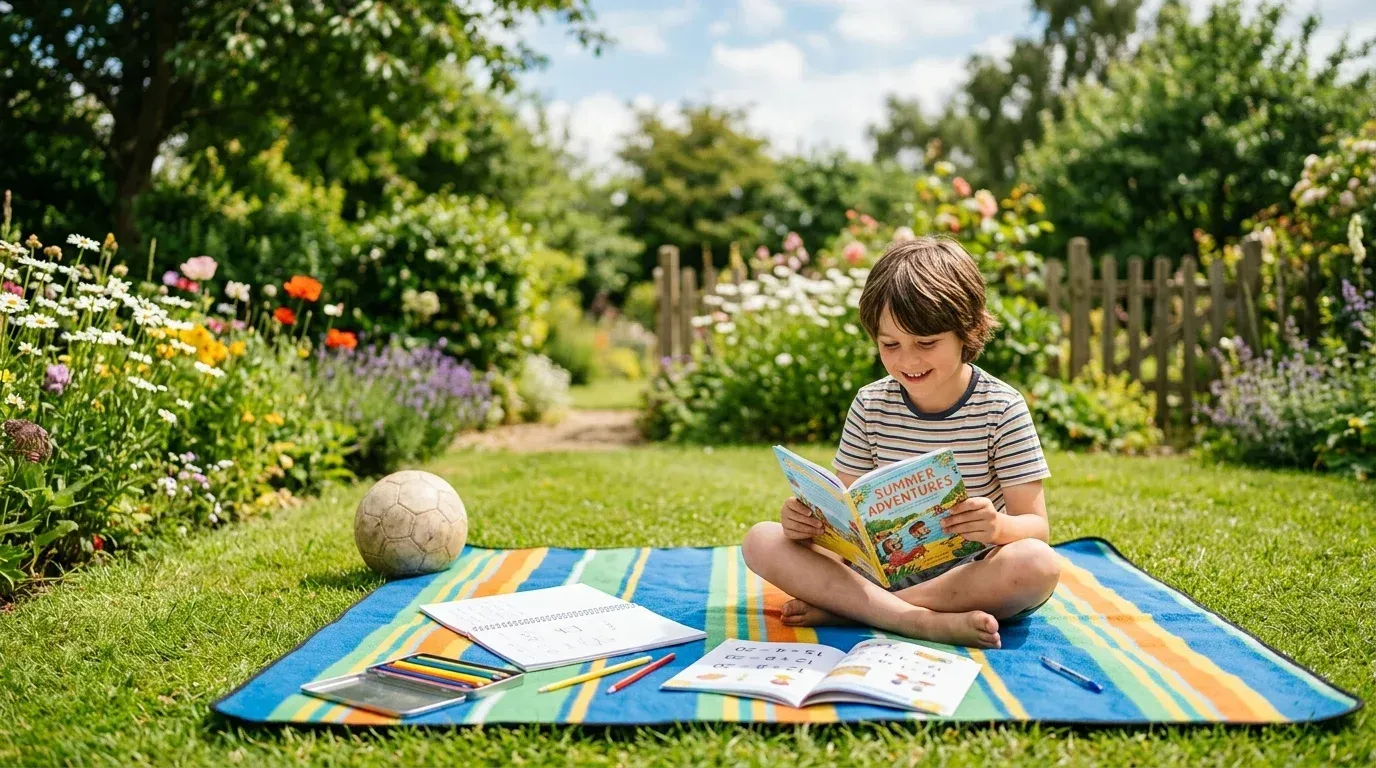
The good news is that writing ability is not fixed. Children who struggle at Year 3 or 4 can become confident, expressive writers by the end of KS2 — but they need consistent, structured support and, crucially, the experience of writing for enjoyment rather than assessment.
At home, the most powerful thing a parent can do is read aloud together and talk about how books are written, not just what happens in them. Encourage writing that has a real purpose: letters to grandparents, a diary of a holiday, a review of a film. When writing feels meaningful, motivation follows — and motivation is often the missing ingredient in KS2 English writing development.
Schools that prioritise a writing-rich culture — where children see adults writing, where stories are shared and celebrated, and where drafting and editing are treated as normal parts of the process — consistently produce stronger writers. It's not magic. It's simply giving writing the time, attention, and respect it deserves.
"Children who struggle at Year 3 or 4 can become confident, expressive writers by the end of KS2 — but they need consistent support and the experience of writing for enjoyment."
The Bottom Line
Writing is hard because it asks children to do many things at once, bridges a difficult gap between spoken and written language, requires explicit and sustained teaching, and is too often assessed in ways that reward technical compliance over genuine craft. None of this is insurmountable — but it does mean that writing deserves far more deliberate attention than it typically receives, both in school and at home.
With the right KS2 writing support, structured teaching of primary writing skills, and a classroom culture that values writing as a creative act, there is every reason to expect children to flourish. The first step is simply understanding why so many of them are finding it so hard.
Struggling with KS2 Writing? We Can Help.
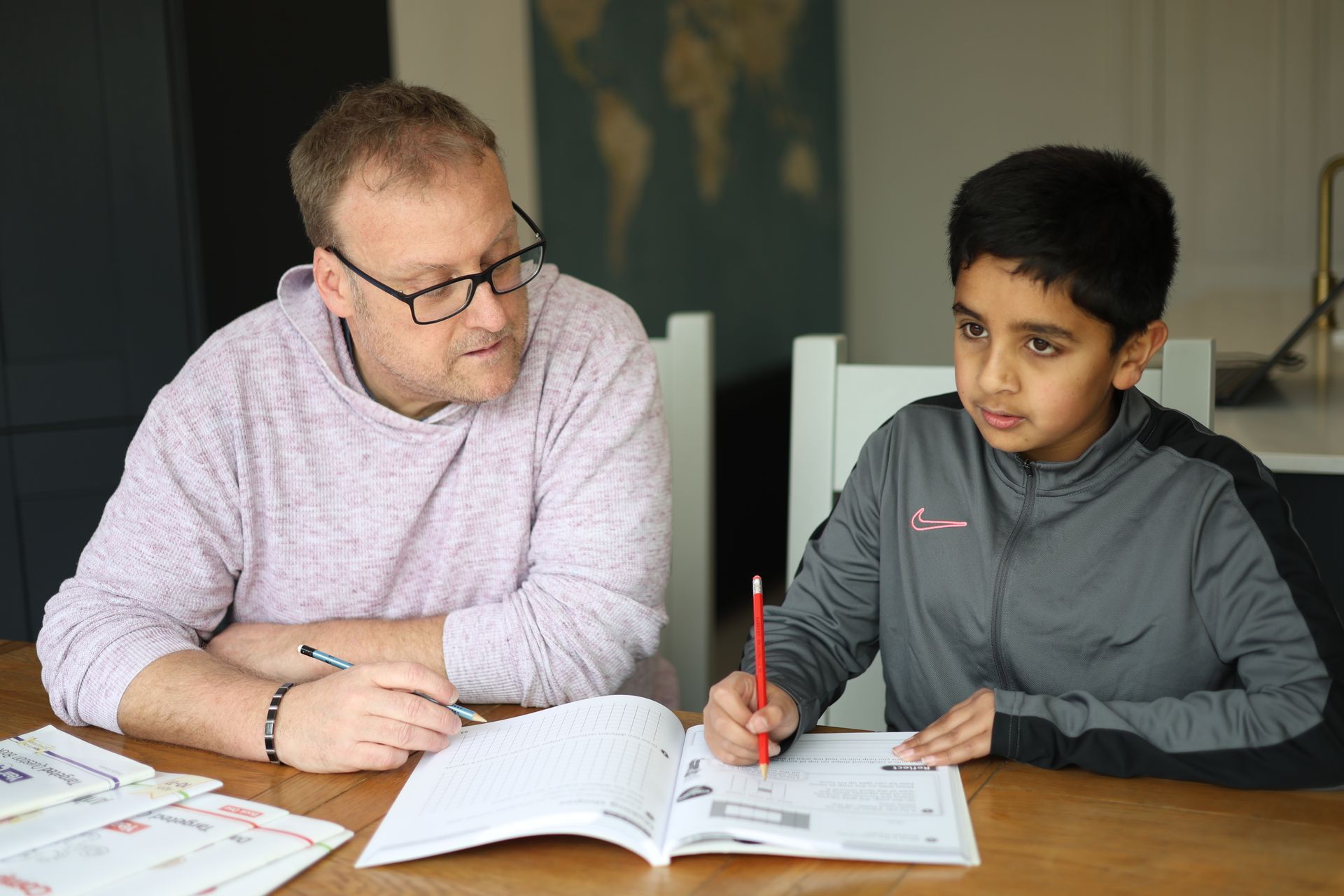
At Empower Tutoring in Waltham Abbey, I offer personalised 1-2-1 and small group sessions focused on building real writing confidence and skills — from sentence craft to full pieces. Whether your child is in Year 3 or preparing for Year 6 SATs, we'll build a plan that works for them.