How to Prevent the Summer Learning Slide (Without Turning the Holidays into School)
For many children, the summer holidays are a well-earned chance to relax after a busy school year. They deserve time to play, explore, spend time with family and simply enjoy being children. But as September approaches, many parents start asking the same question:
"Will my child forget everything they've learned?"
The good news is that summer doesn't have to be a choice between doing nothing and sitting at the kitchen table completing endless worksheets.
With a little planning, you can help your child keep their skills ticking over while still enjoying a fantastic summer break.
What is the "Summer Learning Slide"?
Teachers often talk about the "summer learning slide" – the small amount of knowledge and confidence that some children lose over the long summer holiday. It's rarely because children suddenly forget everything they've learnt. More often, they simply become a little rusty.
Reading becomes less fluent, times tables take a little longer to recall, handwriting loses some consistency, and confidence can dip when routines disappear.
For children who have found parts of the year difficult, those gaps can sometimes become a little wider by September.
The encouraging news is that preventing this doesn't require hours of extra work each day.
Learning Doesn't Have to Look Like School
Some of the best learning happens when children don't even realise they're learning. A summer full of conversations, adventures and new experiences can be incredibly valuable.
Here are a few easy ways to keep learning alive:
- Read together for 15–20 minutes most days. It doesn't matter whether it's novels, comics, football magazines or fact books.
- Bake together and let your child measure ingredients, double recipes and work out timings.
- Encourage them to write postcards, holiday diaries or even reviews of places they've visited.
- Play board games that involve counting, strategy or problem-solving.
- Visit museums, castles, parks or nature reserves and encourage lots of questions.
- Let children help with shopping by comparing prices, estimating totals and working out change.
These everyday experiences build maths, reading, vocabulary and reasoning skills naturally.
Confidence is More Important Than Perfection
One thing I often remind parents is that confidence plays a huge part in learning. A child who returns to school feeling capable and positive is usually in a much stronger position than a child who has completed dozens of worksheets but feels anxious about making mistakes.
Summer is a chance to build that confidence. Without the pressure of homework, tests and deadlines, children often become more willing to ask questions, have a go and tackle areas they've previously found difficult.
Why Summer Can Be the Best Time for Tutoring
Many people think tutoring is only for exam preparation. In reality, summer is often one of the best times to begin.
Children are usually far more relaxed. There are no spelling tests to revise for, no SATs on the horizon and no weekly homework to squeeze around. That means tutoring can focus on something much more valuable: understanding. Rather than rushing through the next topic, we can take our time to revisit areas that have caused problems during the year. Perhaps fractions never quite clicked. Maybe reading comprehension has become a struggle. Or perhaps your child simply lacks confidence when faced with something unfamiliar. Summer gives us the space to work through those challenges at a pace that suits your child.
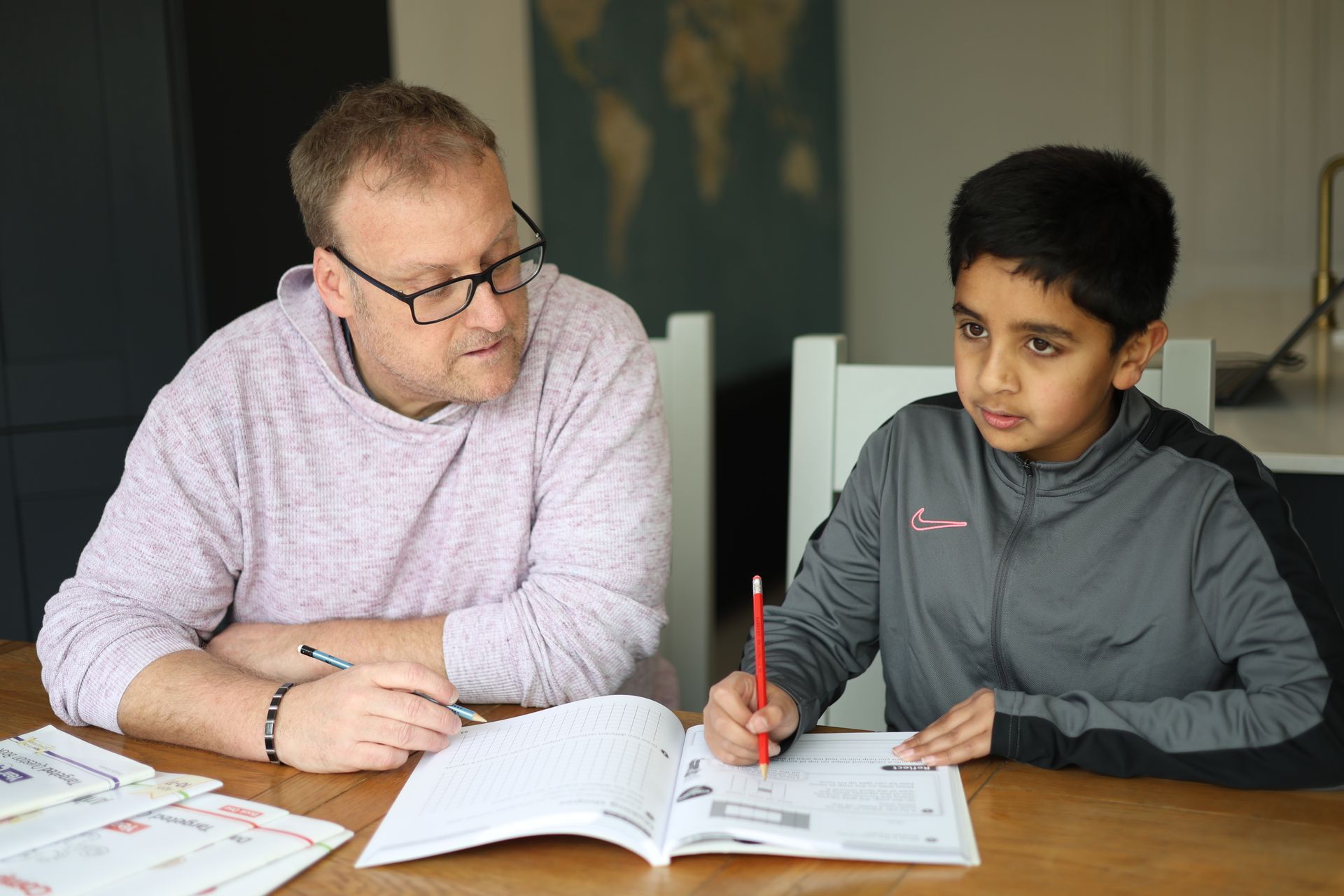
Many parents tell me that their children actually enjoy summer tutoring because it feels completely different from school. Lessons are calm, personalised and focused on helping children experience success.
A Small Boost Can Make a Big Difference
Tutoring over the summer doesn't need to mean weekly intensive lessons. Even a handful of sessions can help refresh key skills, rebuild confidence and ensure children return to school ready to learn. Instead of spending the first few weeks of September trying to remember what they learned in June, they can begin the new school year feeling prepared and positive.
Looking Ahead to September
The summer holidays should absolutely be filled with fun, family time and making memories. A little learning along the way simply helps children hold onto the progress they've worked so hard to achieve throughout the year. If your child has found part of this school year challenging, or you'd like them to begin September with greater confidence, summer tutoring can provide that gentle boost in a relaxed, supportive environment.
The goal isn't to race ahead. It's to make sure your child starts the new school year believing they can succeed.