How to Help Your Child Settle Back Into School in September
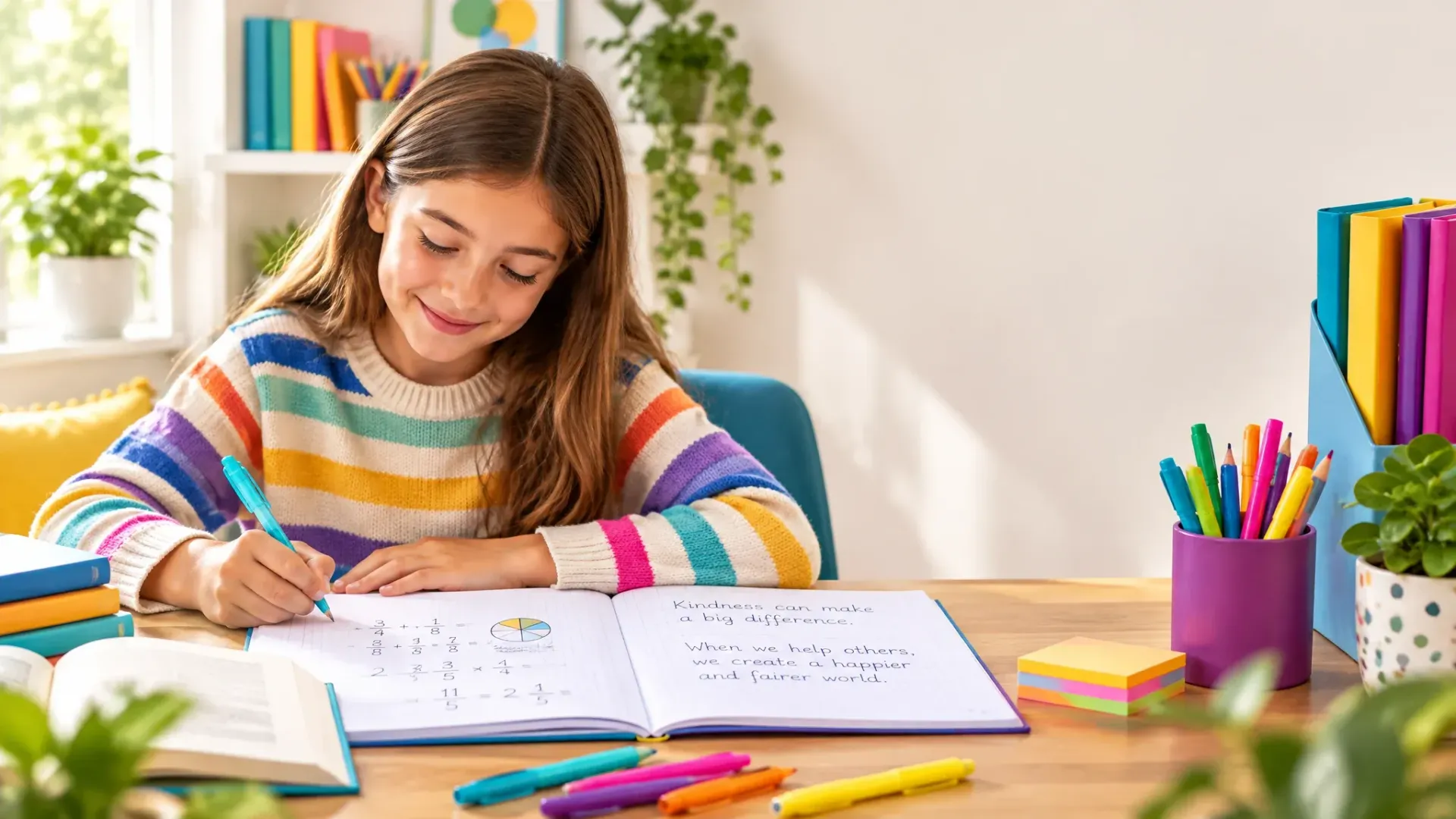
As the summer holidays draw to a close, many parents begin to think about September with mixed feelings. A new school year can bring excitement, fresh opportunities and a sense of routine returning at last. But for children, especially those in KS1, KS2 and the move into Year 7, it can also bring tiredness, worry and a wobble in confidence.
Even children who usually enjoy school can find the return a little unsettling. The early mornings come back quickly, classroom expectations feel more demanding again, and subjects that seemed manageable in July can suddenly feel more difficult after a long break.
The good news is that the first few weeks of term do not need to feel rushed or stressful. With a little support at home, you can help your child settle back into learning calmly and confidently.
Why the first few weeks of September matter
The start of term often sets the tone for the rest of the school year. This is usually when teachers begin to notice how children are coping with routines, independence and core skills such as reading, writing and maths.
Some children bounce back quickly. Others take a little longer to adjust. That does not mean anything is “wrong”. It simply means they may need a bit more reassurance, structure or help rebuilding confidence.
September is often the point where small issues start to show themselves:
- a child who has become less fluent in reading
- someone who has lost confidence with number facts
- a child who is suddenly resistant to homework
- a new Year 7 pupil who seems overwhelmed by organisation and routines
Spotting these things early is helpful, because a gentle boost now can prevent bigger frustrations later in the term.
1. Re-establish routines before problems build up
One of the biggest challenges in September is not academic at all — it is routine.
During the holidays, bedtimes often drift later, mornings become slower and the day feels more flexible. That is completely natural. But once school starts, tiredness can make everything feel harder: concentration, patience, memory and emotional resilience.
A simple routine can make a big difference:
- move bedtimes back gradually
- prepare school items the night before
- keep mornings calm and predictable
- avoid overscheduling the first couple of weeks
Children often cope better with learning when the rest of life feels steady.
2. Keep reading simple, regular and low-pressure
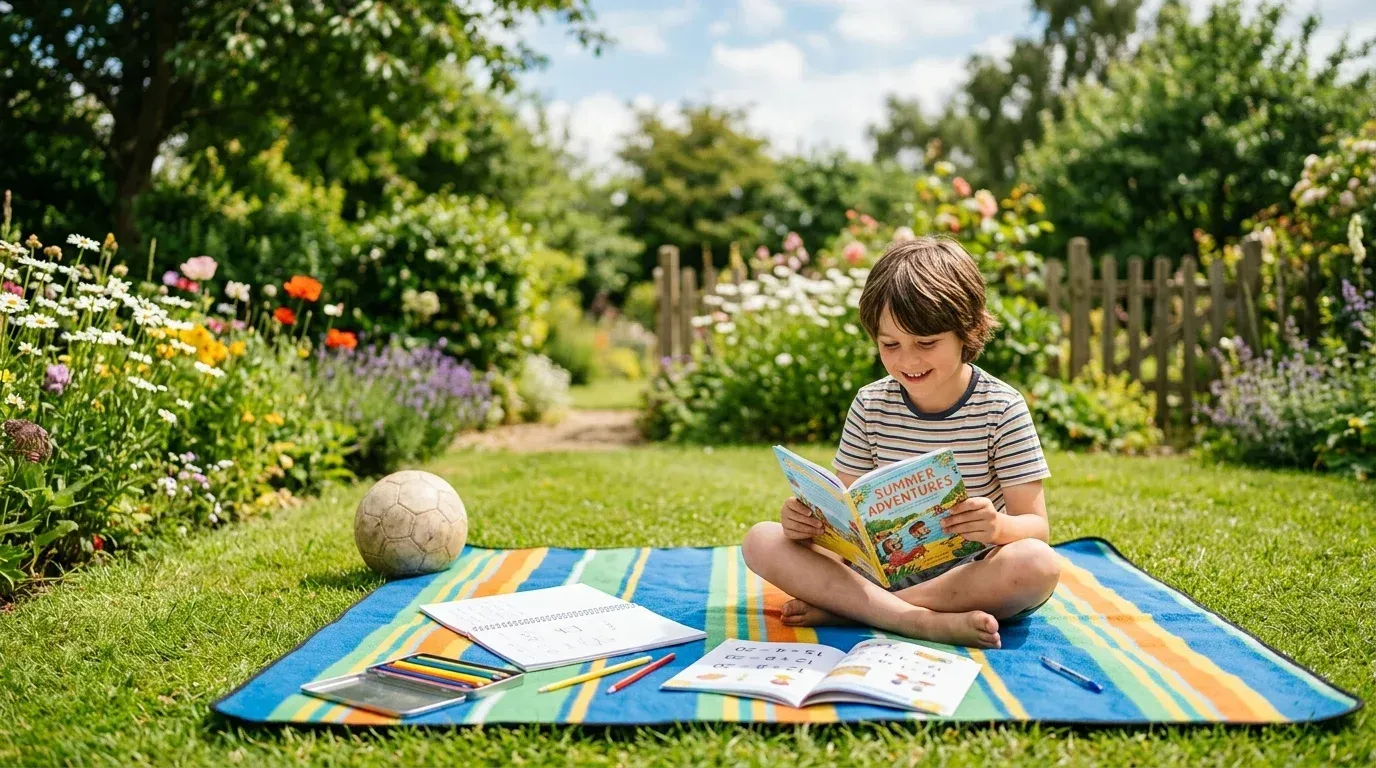
If you do one thing at home in September, make it reading.
Reading supports almost every area of learning. It improves vocabulary, comprehension, attention and confidence. It also gives children a chance to experience success early in the term.
This does not need to mean long formal reading sessions every evening. Ten to fifteen minutes of consistent reading is often far more effective than trying to do too much at once.
For younger children, read together and talk about the story.
For KS2 children, encourage a mix of fiction, non-fiction, magazines or anything that genuinely interests them.
For Year 7 pupils, keep reading alive even if school now feels busier and more independent.
The goal is not to make reading feel like another battle. The goal is to keep it positive and familiar.
3. Ask better questions than “How was school?”
Many children respond to “How was school?” with “Fine” and move on. If you want a clearer picture of how they are settling in, more specific questions usually work better.
Try asking:
- What was the best part of your day?
- What felt tricky today?
- Did anything make you feel proud?
- Was there a lesson that felt easier or harder than you expected?
- Is there anything you want more help with this week?
These kinds of questions help children reflect on how school is actually feeling, rather than just giving a one-word answer.
They also make it easier for parents to notice patterns. If your child repeatedly mentions that maths feels hard, writing is frustrating or they feel nervous putting their hand up, those are useful clues.
4. Praise effort, resilience and organisation
At the start of term, many children are adjusting not only to academic work but also to expectations around behaviour, independence and responsibility.
That is why it helps to praise more than just results.
For example:
- “You got yourself ready quickly this morning.”
- “I liked how you kept going even when that was tricky.”
- “You remembered your reading book without being asked.”
- “You explained your thinking really clearly.”
This kind of praise builds confidence in the habits that support learning. It shows children that success is not only about getting every answer right. It is also about persistence, responsibility and being willing to have a go.
5. Watch for the small signs of struggle
Children do not always say directly, “I’m finding school hard.” More often, it shows up in quieter ways.
Possible signs to look out for include:
- avoiding homework
- becoming unusually tearful or frustrated
- saying things like “I’m bad at maths” or “I can’t do it”
- reluctance to read aloud
- seeming very tired or withdrawn after school
- becoming anxious about getting things wrong
None of these automatically means your child is seriously struggling. But if the pattern continues, it may be worth looking a little more closely at whether they need extra support.
Sometimes children are not lacking ability at all. They are simply carrying a wobble in confidence, and that can affect everything.
A note for Year 7 parents
Starting secondary school is exciting, but it is a big adjustment.
Year 7 pupils suddenly have to manage:
- moving between classrooms
- multiple teachers and expectations
- homework from different subjects
- a new environment and social pressures
- greater independence and organisation
Even capable, confident children can find the transition tiring. If your child seems more emotional, forgetful or uncertain than usual, that is often part of the settling-in process.
A calm check-in at home can help. Focus not only on academic work, but also on how they are managing routines, workload and confidence. Sometimes a little support with organisation and core skills can make the whole transition feel much smoother.
When tutoring can help
Many parents think tutoring is only for children who are far behind or preparing for exams. In reality, September is often one of the best times to get support.
At this stage, tutoring can help children:
- rebuild confidence after the summer break
- strengthen reading, writing or maths foundations
- close small gaps before they widen
- settle into routines with a more positive mindset
- feel calmer and more capable in the classroom
It does not have to mean lots of extra pressure. In fact, the best support often feels calm, focused and encouraging.
A child who starts the term believing “I can do this” is often in a much stronger position than a child who is quietly losing confidence week by week.
Final thoughts
The start of September does not need to be perfect. Most children need a little time to settle back into school life, and that is completely normal.
The key is to focus on steady routines, positive encouragement and noticing the small signs of how your child is really feeling about learning.
If your child seems anxious, reluctant, or less confident than you would expect, early support can make a real difference. Often, a small amount of help at the right time is enough to turn the whole term around.
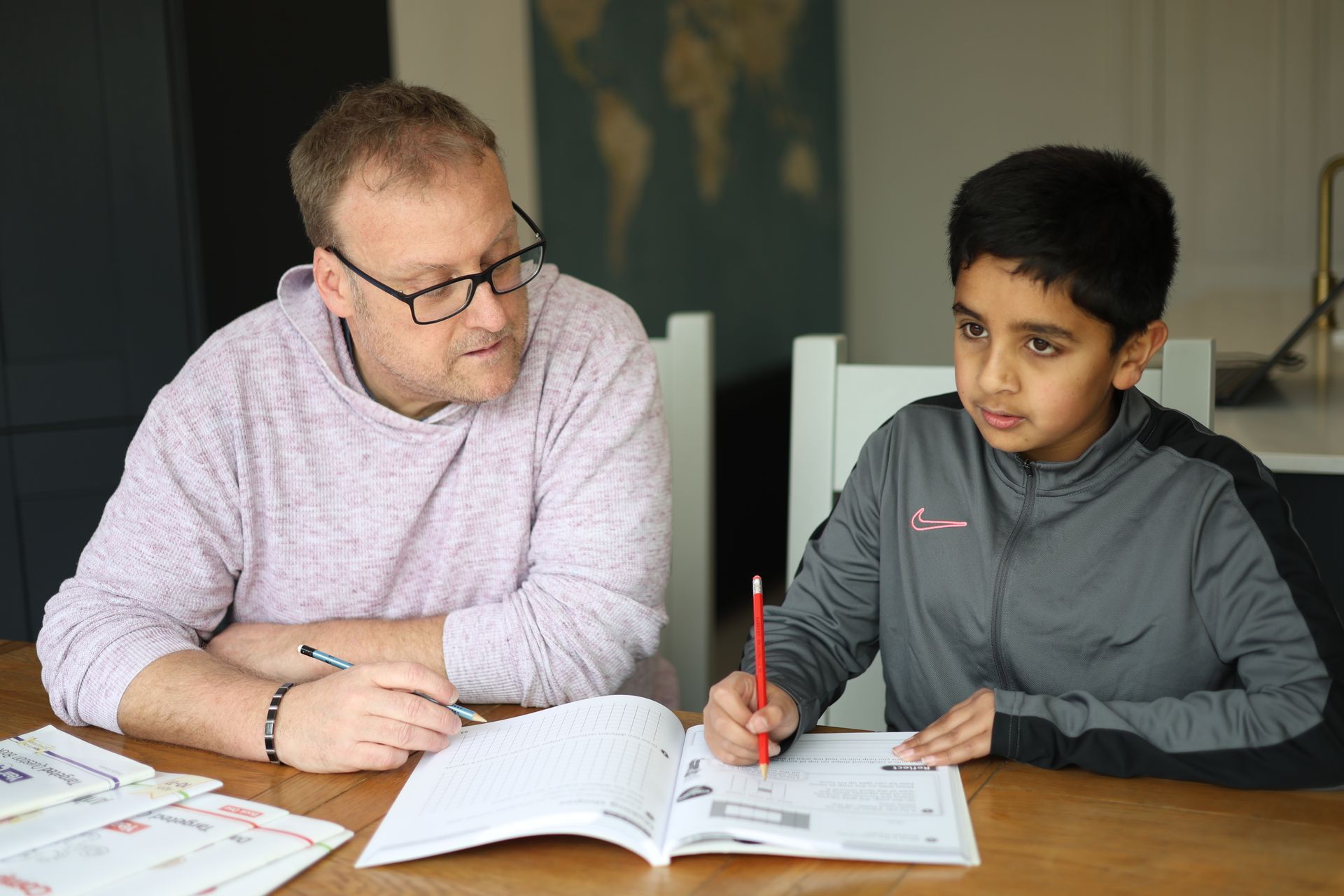
If you would like to talk about support for your child in KS1, KS2 or starting KS3, feel free to get in touch. I offer calm, personalised tutoring that helps children strengthen key skills and feel more confident in their learning.
FREQUENTLY ASKED QUESTIONS
What if my child seems tired and emotional after the first week back at school?
That is very common. The return to routines, concentration and social demands can be exhausting. Give it a little time, keep evenings calm and watch whether things begin to settle over the next couple of weeks.
How can I tell if my child needs extra support in September?
Look for ongoing signs such as avoiding homework, loss of confidence, frustration with reading or maths, or repeated comments like “I can’t do this”. If those patterns continue, extra support may help.
Is tutoring useful at the start of the school year?
Yes. September can be an excellent time for tutoring because small gaps can be addressed early, before they affect confidence and progress later in the term
Do you only work with KS2 pupils?
KS2 is my main area of focus, but I also support some KS1 children and KS3 pupils depending on their needs.